
What Is NetworkSpinal? A Gentle, Nervous System-Focused Approach to Chiropractic Care
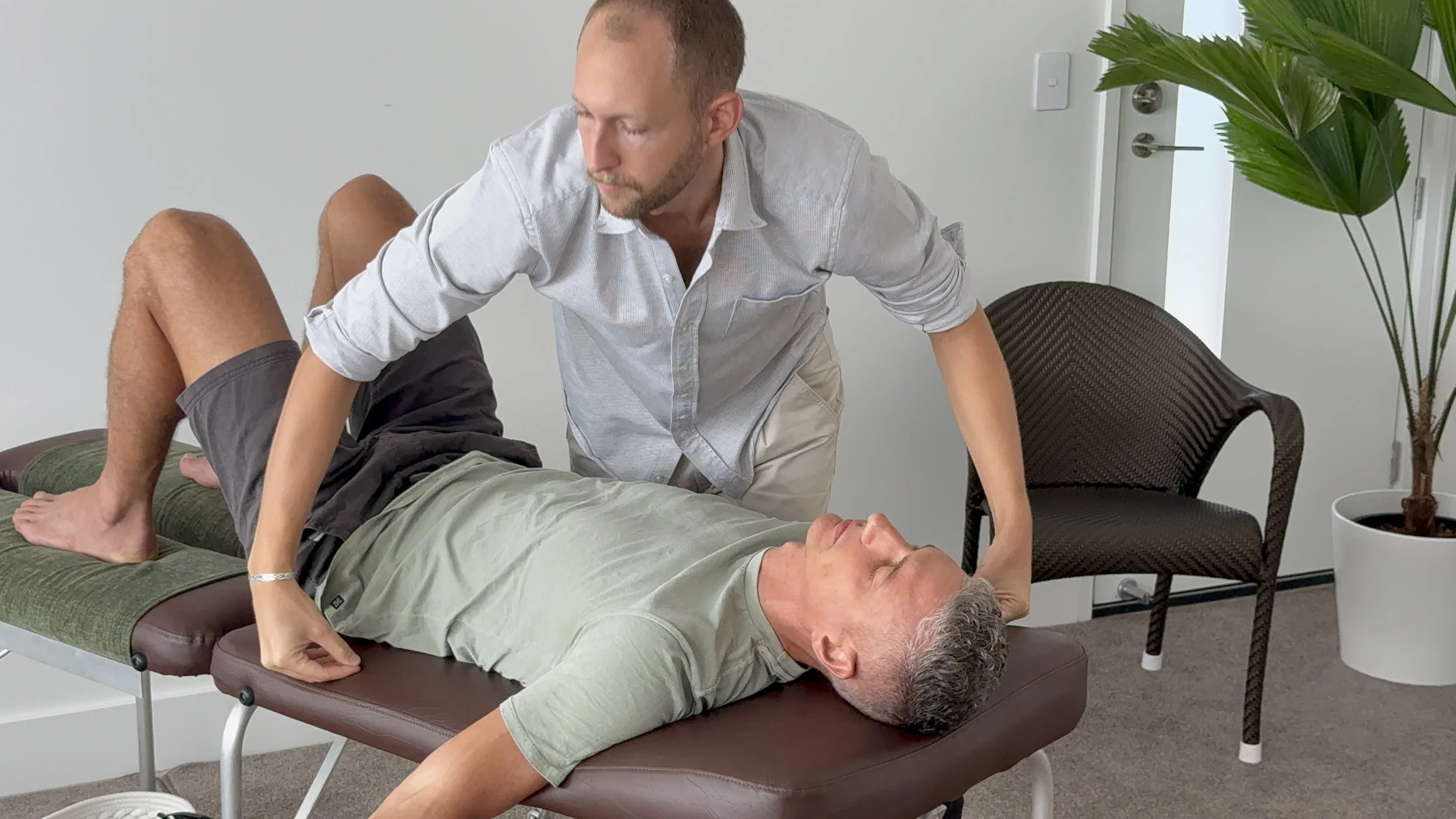
What Is NetworkSpinal?
NetworkSpinal is a spinal-based, nervous system approach to chiropractic care - unlike anything most people have experienced before.
It is fundamentally chiropractic.
Yet it is delivered without cracking, manipulation or equipment.
Just you, your practitioner, and your nervous system.
NetworkSpinal is ultra-specific, measurable and reproducible. More importantly, it is a framework for understanding how the body processes stress, energy and information - and how it can reorganise itself for greater adaptability.
Your Nervous System: The Master Controller
Your nervous system is your body’s wiring, messaging system and control centre all in one.
Through constant electrical and vibrational signalling, it links your brain, spinal cord and nerves to every cell and system in the body.
It shapes how you:
Move
Think
Breathe
Digest
Recover
Respond to stress
Engage with life
When your nervous system is adaptable, you can meet stress and return to balance.
When it becomes overwhelmed, your body may remain stuck in survival mode.
Fight-or-Flight vs Rest-and-Repair
Balance between these two states is crucial for long-term health.
Fight-or-Flight (Sympathetic Mode)
This is your short-term stress response.
When activated appropriately, it:
Sharpens focus
Increases muscle tone
Releases stress hormones
Prepares you to respond
This is healthy - in the short term.
But when fight-or-flight remains activated for too long, chronic stress reshapes your body’s structure, behaviour and perception.
You may notice:
Persistent muscle tension
Poor sleep
Shallow breathing
Digestive changes
A racing mind
Hormonal disruption
Immune challenges
Over time, healing, recovery and growth may become impaired.
Rest-and-Repair (Parasympathetic Mode)
When your body feels safe, energy shifts inward.
This mode supports:
Tissue repair
Immune function
Hormonal balance
Cellular regeneration
Emotional regulation
Your resilience to stress depends on how easily you can transition into this state.
Many people today struggle not because they cannot fight stress - but because they cannot switch it off.
What Does NetworkSpinal Do?
NetworkSpinal practitioners develop a studied understanding of the tension in your body - and the tension in your life.
Through precise, light-touch contacts at specific areas of the spine, the practitioner facilitates increased somatic awareness (body connection).
No cracking.
No force.
No equipment.
Just gentle input that helps the brain observe and reorganise patterns of stored tension.
This improved brain-body communication may support:
Greater balance between stress and recovery states
Improved adaptability
Enhanced perception and emotional clarity
More efficient neurological strategies
Increased life enjoyment
You can think of NetworkSpinal as optimising the human operating system - enhancing your body’s ability to self-regulate and respond more efficiently.
How Is NetworkSpinal Different From Traditional Chiropractic?
NetworkSpinal recognises the direct relationship between the tension in your body and the tension in your life.
Rather than mechanically adjusting structure alone, it works with neurological patterns — the way stress is stored, processed and expressed.
It is:
Performance-focused
Outcome-measured
Holistic and trauma-informed
Reproducible and research-informed
Outcome measures may include:
Structural changes
Breathing patterns
Perceptual shifts
Emotional regulation
Adaptability markers
SomatoRespiratory Integration (SRI)
NetworkSpinal integrates somatic exercises known as SomatoRespiratory Integration.
These breath- and awareness-based practices help reconnect areas of the body that may have been disconnected due to stress or overwhelm.
They support nervous system integration and may enhance the efficiency of care.
Who Can Practise NetworkSpinal in Australia?
Due to its complexity, NetworkSpinal can only be practised by qualified healthcare professionals who:
Hold a 5-year full-time university degree as a Doctor of Chiropractic
Maintain ongoing postgraduate certification in NetworkSpinal
Participate in continued certification through EpiEnergetics
Hold current AHPRA registration
If you are considering NetworkSpinal care, ensure your practitioner meets these requirements.
Is NetworkSpinal Right for You?
NetworkSpinal may be appropriate for individuals experiencing:
Chronic stress
Ongoing muscle tension
Sleep disruption
Emotional overwhelm
A sense of being “stuck”
Performance plateaus
Reduced resilience
Rather than chasing symptoms, this approach works with the nervous system patterns underlying them.
Many people choose to incorporate NetworkSpinal as part of their ongoing wellbeing strategy - not simply for pain relief, but for adaptability and life optimisation.
Final Thoughts
We live in a world that rewards constant output. But true performance requires balance.
When the nervous system can move fluidly between action and recovery, the body thrives under pressure rather than breaking down from it.
NetworkSpinal is about restoring that balance.
If you would like to explore whether your nervous system is operating in fight-or-flight, freeze or rest-and-repair, we invite you to book a consultation.